CONIWAS Statement on the June 2026 Floods and Heightened Cholera Risks in Accra and other Communities in Southern Ghana
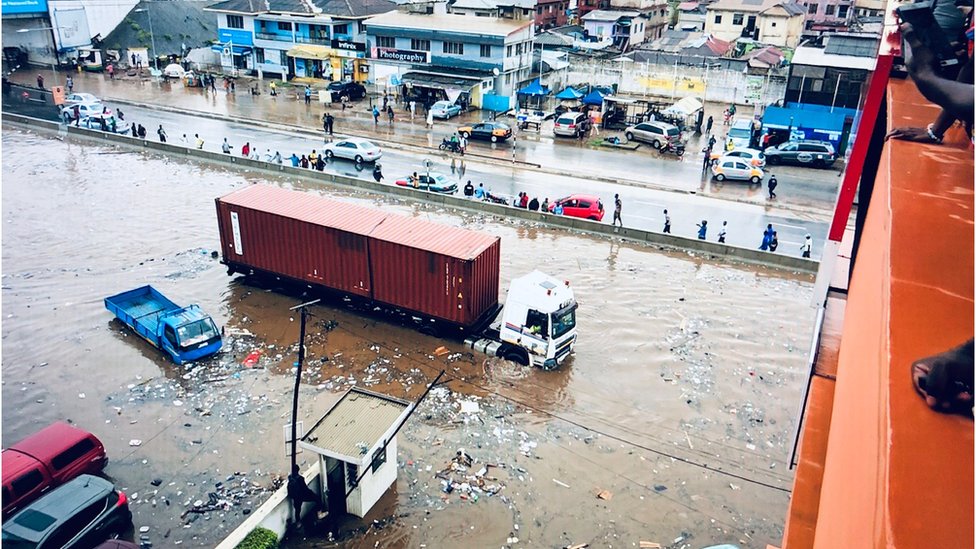
The Coalition of NGOs in Water and Sanitation (CONIWAS) views with deep concern the devastating floods that have swept through parts of Accra and other communities in southern Ghana. We extend our heartfelt condolences to all affected families and communities. We also express solidarity with all households that have lost loved ones, homes, livelihoods, and essential belongings in the aftermath of the June 29 floods. This week’s floods, triggered by record rainfall of 160mm on Monday, June 29, 2026, affected communities across 7 regions, with Accra bearing the harshest impact.
CONIWAS wishes to underscore that beyond the immediate destruction of property and displacement of persons, flood-affected communities now face a heightened risk of cholera and other waterborne diseases. The Ministry of Health, through the Ghana Health Service, has warned that the combination of stagnant floodwaters, overflowing drains, poor waste disposal, and contaminated water sources is creating conditions ideal for a disease outbreak (Press Release, 29th June, 2026 – GHS/MOH). This risk must be treated with urgency, especially because Ghana only recently responded to a multi-region cholera surge in 2024.
We are especially concerned for residents of low-income and flood-prone communities, where damaged sanitation infrastructure and limited access to safe water put children, the elderly, pregnant women, and persons with disabilities at greatest risk. Any response must prioritise these communities, since they bear the harshest brunt of the devastation we have witnessed because of the floods.
We are particularly alarmed by reports that some residents are dumping refuse into water bodies during floods, a dangerous practice that directly contaminates drinking water sources with sewage and faecal matter. The Ministry of Health and the Ghana Health Service have moved to intensify disease surveillance, community-level interventions, and public education in affected assemblies. Building on this, CONIWAS calls for a whole-of-government and whole-of-society response focused on prevention, preparedness, and rapid action.
CONIWAS therefore makes the following calls to action:
To Government and Metropolitan, Municipal, and District Assemblies (MMDAs):
We commend the release of GHS 300 million from the Contingency Fund and the deployment of security services to support relief operations. However, sustained focus on WASH infrastructure is essential. We call on the Government of Local Government, Chieftaincy and Religious Affairs working through the Metropolitan, Municipal and District Assemblies (MMDAs), to fully exercise its mandate by intensifying environmental sanitation measures, including:
- Enforcing environmental sanitation by-laws immediately;
- Rapidly desilt choked drains across affected districts;
- Clean and disinfect high-risk and flood-affected communities, markets, schools, health facilities, and other public spaces to reduce the risk of disease transmission.
- Provide safe water alternatives to communities without access;
- Intensify food hygiene inspections in affected areas;
- Support community-level disease surveillance; and
- Take firm action against structures and activities that obstruct waterways and worsen flood risk.
We further urge that emergency WASH responses account for the specific hygiene needs of women and girls, including access to menstrual hygiene materials and dignity kits.
We also call on the Ministry of Works, Housing and Water Resources, working closely with Ghana Water Limited, the Water Resources Commission, the Community Water and Sanitation Agency, and other relevant institutions, to strengthen water quality monitoring and surveillance, ensure the safety of public drinking water supplies, provide safe alternative water sources where contamination has occurred, and communicate water quality information promptly to affected communities. These interventions are critical to preventing the outbreak and spread of cholera and other waterborne diseases during this emergency period.
Beyond the immediate response, the focus on long-term resilience, as highlighted in our past engagements, must become a cornerstone of national planning. Investments in climate-resilient drainage systems, improved sanitation infrastructure, integrated solid waste management, and sustainable water resource management are essential to ensure that our communities can withstand future emergencies and safeguard public health.
To the Public:
We echo the Ministry’s call for vigilance. We urge all Ghanaians to:
- Drink safe water and ensure water is treated or boiled before consumption.
- Wash your hands regularly with soap and running water, especially before eating and after using the toilet.
- Eat hot, well-cooked food and avoid food prepared under unhygienic conditions.
- Properly dispose of household waste and refrain from discharging refuse or faecal matter into drains, gutters, rivers, lagoons, and floodwaters.
- Report symptoms such as severe diarrhoea, vomiting, or dehydration to the nearest health facility immediately and avoid self-medication.
To Development Partners, Private Sector, and Civil Society:
Now is the time for coordination. As we have consistently advocated, a collaborative effort between government, development partners, civil society organisations, communities, and the private sector is critical to strengthen WASH service delivery, mobilise resources, and ensure that emergency interventions reach the most vulnerable populations. Coordinated action will also ensure that available resources are deployed efficiently and effectively to address both the immediate emergency and the systemic gaps within Ghana’s WASH sector.
CONIWAS will monitor the implementation of these measures and support in tracking the impacts of the recent floods on water and sanitation services, alongside our member organisations and government partners. We remain ready to support coordination, technical guidance, and community mobilisation in affected districts.
The situation is serious, but it is not hopeless. Cholera is preventable and treatable, and by working together, by ensuring access to clean water, promoting good hygiene, and maintaining clean environments, we can protect lives.
Let us remember that the health of our communities is directly tied to the health of our water resources and environment. We cannot afford to wait for the outbreak to happen for an outbreak to be declared; we must act decisively now.
Executive Secretary
The Coalition of NGOs in Water and Sanitation (CONIWAS) is a membership-based umbrella CSO formed in 2003 to advocate for improved access to WASH services by the poor, vulnerable, and marginalised population, especially women and children. CONIWAS engages in WASH Sector activities using evidence-based actions gathered through its research agenda and experiences from its members, most of whom support the citizenry with WASH Services at the regional and local government levels. Membership of CONIWAS currently stands at 90 and is spread throughout the country.

