CONIWAS Validates Study on Ghana’s Water Sub-Sector Regulatory Framework
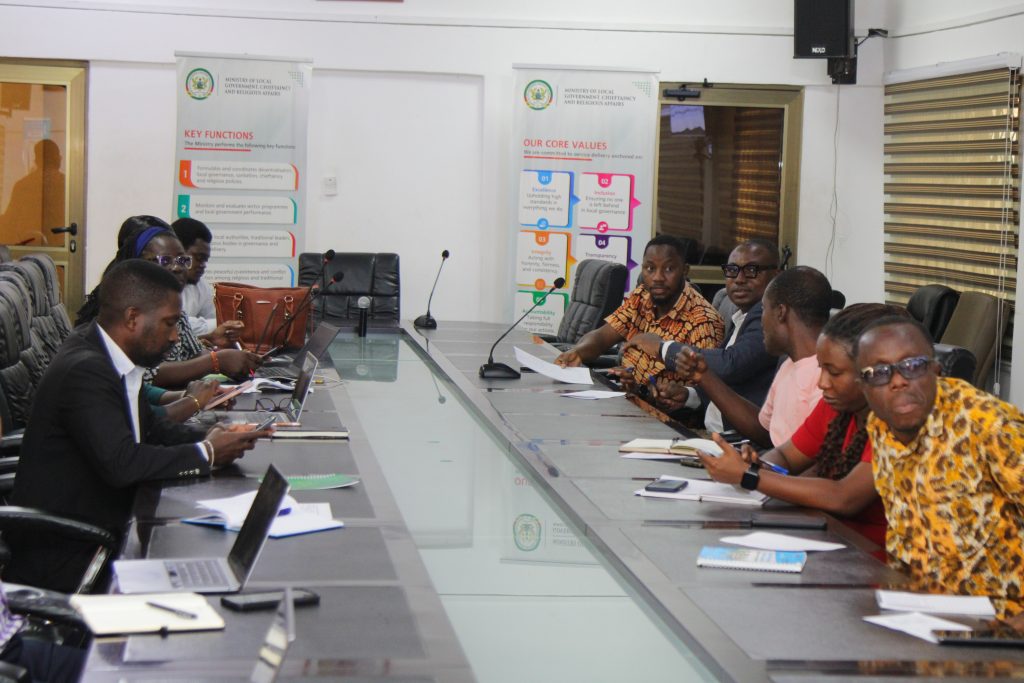
In an effort to improve water governance in Ghana, the Coalition of NGOs in Water and Sanitation (CONIWAS) conducted a validation workshop on the Analysis of the Water Sub-Sector Regulatory Framework with financial assistance from UNICEF.
In order to review and validate the results of a consultant-led assessment of current water sector regulations, the workshop brought together important stakeholders, including representatives from government ministries, regulatory bodies, civil society organizations, and development partners.
Ms. Basilia Nanbigne, the Executive Secretary of CONIWAS, greeted attendees and emphasized the value of stakeholder participation in improving the study prior to its completion. In order to guarantee that the report appropriately reflects regulatory realities within the water sub-sector, she urged active participation.
Mr. Fiifi Boadi, speaking on behalf of the sector ministry, pointed out that although Ghana has made strides in sanitation regulation—including passing the sanitation bill—water sector regulation still faces many obstacles. He emphasized that the study will help identify gaps and improve regulatory efficiency throughout the industry, calling it timely.
Madam Korama Ocran, a UNICEF representative, praised CONIWAS for bringing together a wide range of stakeholders to ensure inclusivity and accuracy in the regulatory assessment and reiterated UNICEF’s commitment to supporting Ghana’s WASH agenda.
Key findings from the analysis, which looked at the regulatory functions of organizations like the Water Resources Commission, Environmental Protection Agency, Public Utilities Regulatory Commission, Food and Drugs Authority, and Metropolitan, Municipal, and District Assemblies, were presented by consultants during the workshop.
A number of regulatory gaps were identified by the assessment, including high levels of non-revenue water, a lack of enforceable service quality standards, limited oversight of household water treatment methods and water tanker services, and weak consumer protection, especially in rural water supply. Inconsistencies and overlapping regulatory requirements between urban and rural water regulation were also noted in the study. Despite these difficulties, the report acknowledged the advantages of the regulatory framework, including its multi-sectoral coverage, well-defined legal mandates, and the presence of essential regulatory functions such as licensing, monitoring, and dispute resolution.
The consultants suggested creating a unified WASH policy, bolstering MMDA capacity, establishing service quality standards for water supply at all levels, enhancing inter-agency coordination, and strengthening community engagement to close the identified gaps.
Participants actively participated in the discussion, advocating for more alignment between policy and practice, broader recommendations, and a clearer articulation of regulatory overlaps. As part of long-term behavior change initiatives, suggestions were also made to include WASH issues in teacher education curricula. At the end of the workshop, a commitment was made to improve the report by reviewing additional standards from the Ghana Standards Authority, incorporating stakeholder input, and clarifying the proposed unified WASH policy framework.
CONIWAS and UNICEF reiterated their commitment to supporting evidence-based reforms to strengthen regulation and ensure safe, equitable, and sustainable water services for all Ghanaians.

